When investing in real estate, there is one rule that applies everywhere in the world: infrastructure creates value.
In Dubai real estate investment, this principle is even more visible. The city continues to invest billions of dollars in roads, bridges, metro systems, ports, airports, and public infrastructure, with a clear objective: to support population growth and continuously improve quality of life. This long-term urban planning strategy is one of the main reasons why the Dubai property market remains one of the most solid and attractive internationally.
A very concrete example is happening right now.
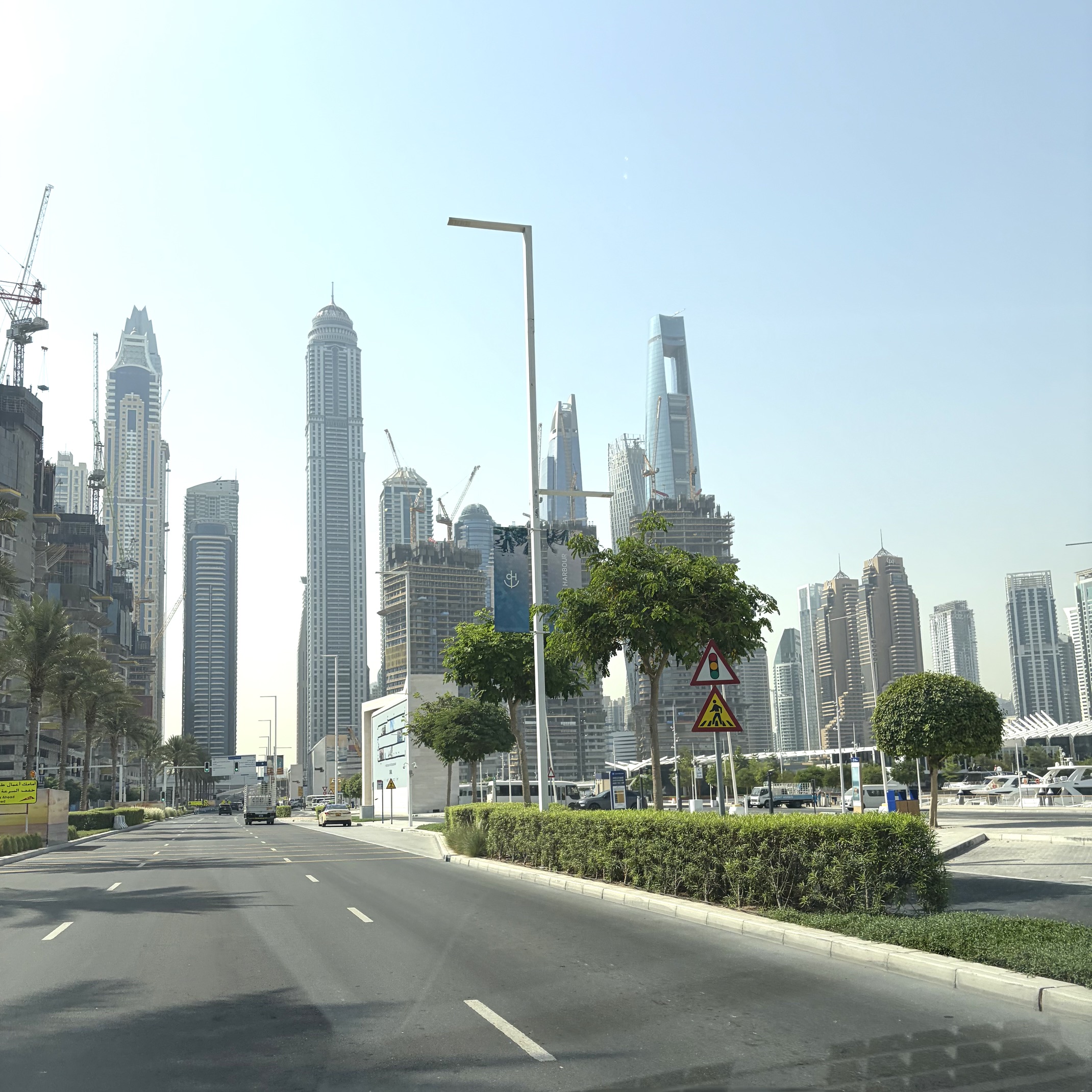
A new bridge has recently opened, connecting Sheikh Zayed Road (Exit 32) directly to Dubai Harbour. Although it is currently operational in one direction only, it already represents a significant transformation for the entire surrounding area.
Anyone familiar with Dubai knows that in recent years the areas of Dubai Marina, Dubai Harbour, and TECOM have experienced a sharp increase in traffic. The reason is simple: thousands of new apartments have been completed and delivered, particularly within Dubai Harbour and Emaar Beachfront, bringing a growing number of residents to one of the city’s most prestigious waterfront districts.
When a community grows this quickly, infrastructure must evolve accordingly. And this is exactly what Dubai continues to do.
This new connection significantly reduces travel time to Sheikh Zayed Road, one of the UAE’s main arterial highways, easing congestion and improving overall accessibility to the area.
It may look like just a bridge, but in reality it is much more than that.
For real estate investors in Dubai, new infrastructure is often a key driver of property value growth in a neighborhood. Better accessibility leads to improved quality of life, higher tenant demand, stronger buyer interest, and, over time, greater price stability and capital appreciation.
This is a pattern that has repeated itself many times in Dubai. Whenever major infrastructure projects are completed, surrounding districts become more attractive, more competitive, and more liquid in the real estate market.
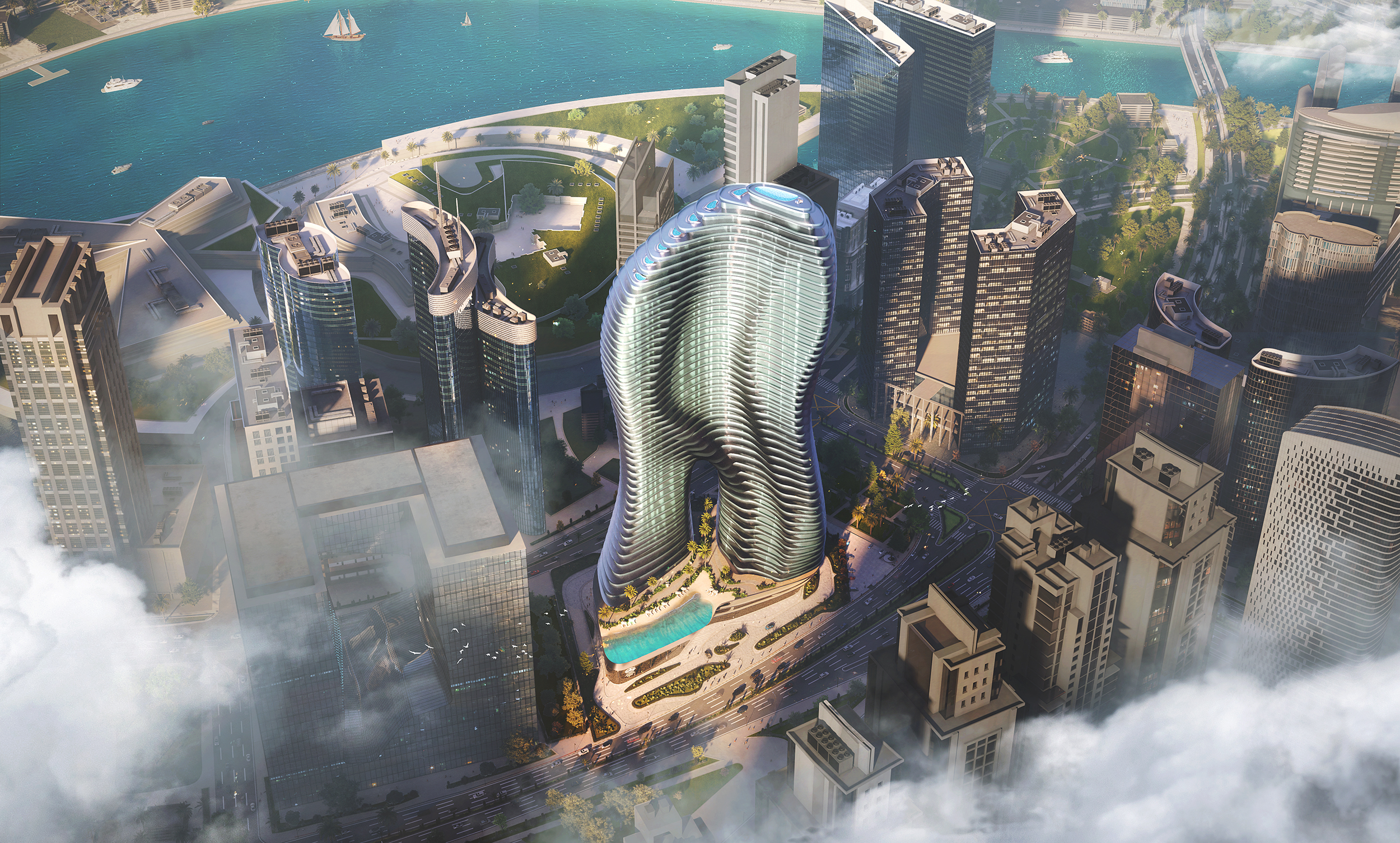
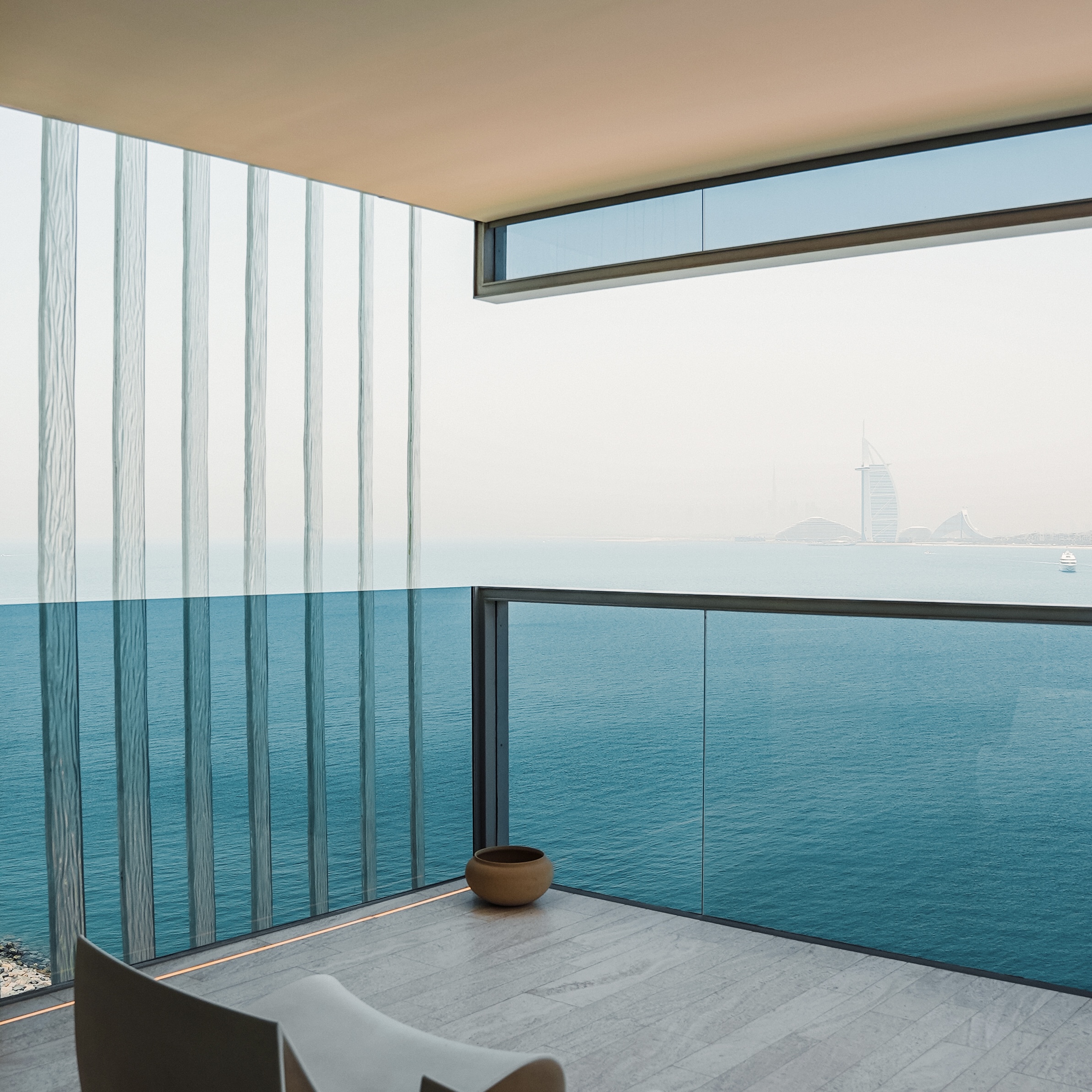
Emaar Beachfront is one of the best examples. It is an exclusive waterfront community developed by Dubai’s leading developer, offering private beaches, panoramic views of the sea and Palm Jumeirah, premium amenities, and a strategic location between Dubai Marina and Palm Jumeirah.
With the opening of this new bridge, one of the few recurring concerns raised by investors in recent years—peak-hour traffic—has started to find a real and concrete solution.
Of course, a single infrastructure project does not determine the value of an investment on its own. However, when it is part of a well-structured urban development strategy, it becomes a key element that strengthens the long-term attractiveness of the entire area.
This is also why, despite recent geopolitical tensions and a natural phase of price stabilization in the secondary market, the best areas of Dubai continue to show strong resilience.
Prime real estate in Dubai holds its value because behind every property there is not just a building, but an entire city continuously investing in its future.
When analyzing an investment, I do not only look at price per square foot or rental yield. I focus on what will happen over the next 5 to 10 years: which infrastructure projects are under development, which services will be added, how the neighborhood will evolve, and what quality of life residents can expect.
This is the real difference between buying an apartment and investing in a city.
Dubai continues to demonstrate a unique ability to anticipate growth—building infrastructure ahead of demand and then allowing real estate values to consolidate over time. For long-term investors, this is a signal that always deserves close attention.